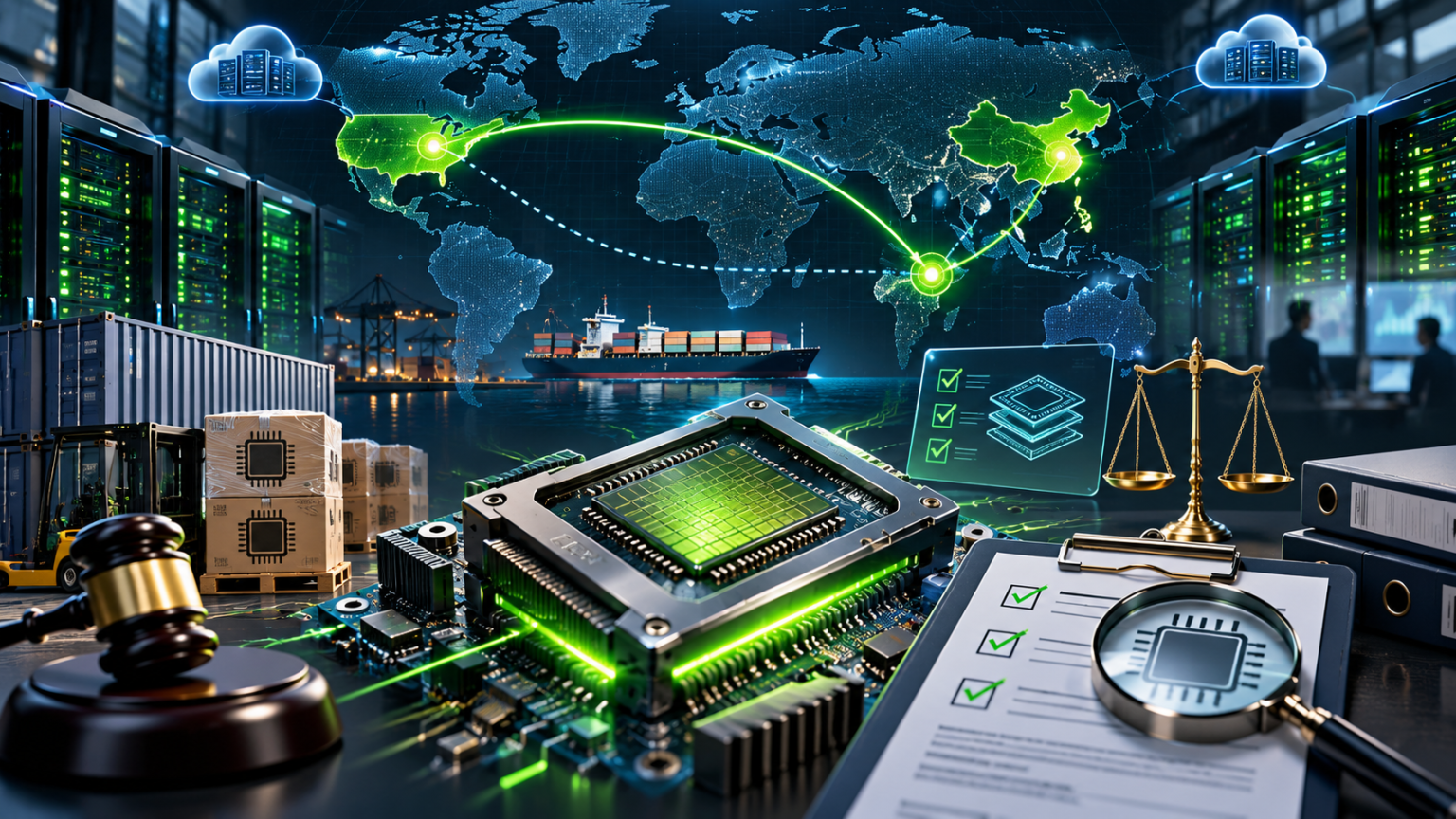
The NVIDIA scandal is about much more than a headline-grabbing personal controversy. At its centre are some of the biggest questions in the artificial-intelligence era: who gets access to the chips powering AI, how export restrictions are enforced, and whether companies and governments can keep track of technology once it enters a global supply chain.
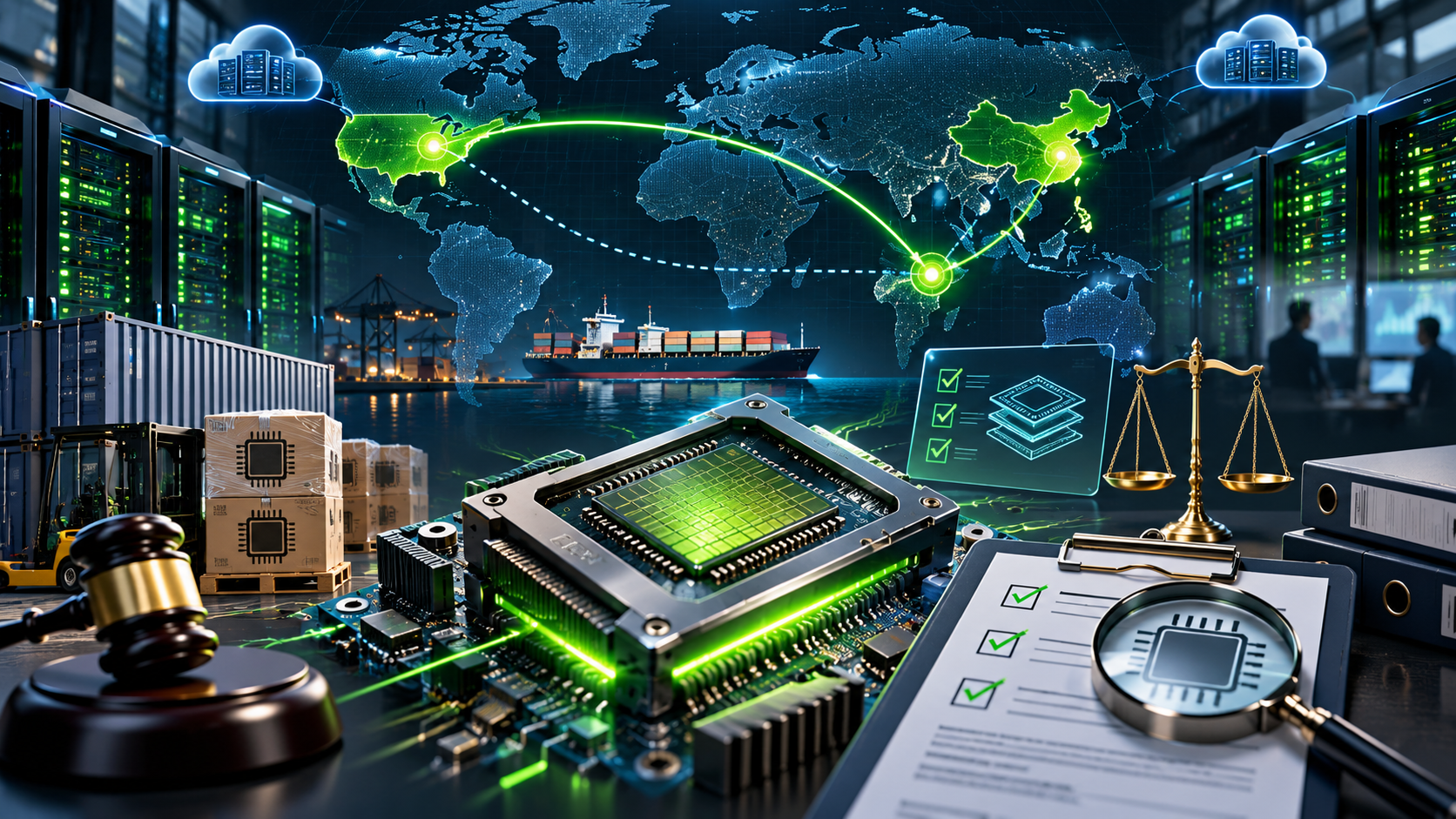
Recent reporting has connected NVIDIA, its former chief executive Jensen Huang, and Singapore-based technology company Megaspeed International to allegations involving restricted AI chips and possible access to China. The story is still developing, and several of its most serious claims remain allegations rather than proven findings. But even without jumping to conclusions, the questions raised are significant.
Why NVIDIA matters so much
NVIDIA is not simply another chip company. Its graphics processors and related systems have become core infrastructure for training and running advanced AI models. Cloud providers, research labs, governments and businesses rely on large clusters of these processors to build AI services.
That position gives NVIDIA enormous commercial influence—and puts its products at the centre of geopolitical competition. The United States has placed export controls on some advanced computing chips destined for China, arguing that access to high-end computing can have military and strategic consequences.
When a product is both commercially valuable and strategically sensitive, the responsibility does not end when a supplier ships it. Companies must understand who the customer is, where the equipment will be used, and whether intermediaries are concealing the real end user.
The Megaspeed connection: what has been reported?
Reports have focused on Megaspeed International, a Singapore-based cloud and AI infrastructure business that became a major NVIDIA customer. US authorities have examined suspicions that the company may have helped Chinese firms obtain access to advanced NVIDIA chips despite export restrictions.
There are two different issues here. One is the physical movement of chips across borders. The other is access to computing power through servers hosted in a third country. A company in China may not need to take possession of a processor if it can rent time on a server containing that processor somewhere else.
That distinction matters because export rules designed around the destination of physical hardware can be harder to enforce when computing capacity is delivered remotely. Cloud access, leasing arrangements, shell companies and complex ownership structures can make it difficult to identify the real customer.
Singaporean authorities have also examined aspects of the Megaspeed matter. The company has disputed wrongdoing and said it complies with applicable laws. Public reporting has described investigations and suspicions, not a final finding that every allegation is true. That distinction should not be lost in the noise.
Why the story became a national-security issue
The controversy widened after news reports described Jensen Huang’s relationship with Alice Huang, a former Megaspeed executive whom US authorities have reportedly investigated over alleged links to Chinese intelligence. The two are not related. Huang acknowledged an extramarital affair in a message to NVIDIA employees, and the company’s board announced an independent investigation.
The most serious claims—that Alice Huang acted as an intelligence asset or that the relationship influenced chip sales or policy—have not been established in public evidence. China has rejected the spying allegations, and Megaspeed has contested claims of illicit transfers. It is important to separate the confirmed public statements from the allegations still being examined.
Huang’s reported departure as CEO, and the company’s leadership transition, have added a corporate-governance dimension to the affair. Investors and directors now have to consider whether internal controls, disclosure practices and executive oversight were adequate. The board’s investigation will be important, but it cannot replace scrutiny by regulators and lawmakers.

The bigger weakness: knowing the real customer
For technology companies, customer verification is more complicated than checking the name on an invoice. A legitimate-looking buyer may be purchasing equipment for another company. A reseller may pass products through several countries. A cloud operator may provide remote access to customers whose identities are not obvious to the original chip supplier.
This is why compliance teams use end-user checks, beneficial-ownership reviews, transaction monitoring, shipping documentation and ongoing customer due diligence. Those safeguards are only useful when they are properly resourced, consistently applied and supported by reliable information.
The NVIDIA case raises a basic question for the entire AI hardware industry: how much responsibility should a chipmaker carry after a product leaves its warehouse? The answer may involve manufacturers, distributors, cloud providers, data-centre operators, customers and regulators—not just one company.
Washington’s role is also under scrutiny
The controversy has become political because export controls are only as effective as their enforcement. Reports have described disagreements inside the US government over how to respond to concerns involving Megaspeed and whether the company should have faced stronger restrictions. Lawmakers have called for answers about the handling of sensitive technology and the oversight of chip exports.
That creates a difficult policy problem. Tight controls can reduce the risk of sensitive technology reaching prohibited users, but overly broad restrictions can also hurt US companies, encourage customers to seek alternatives and complicate relationships with allied countries. Weak controls, on the other hand, can undermine the very security goals they are meant to protect.
There is no simple switch that solves this. Governments need clear rules, timely intelligence-sharing, consistent enforcement and practical ways to monitor cloud-based access—not just physical shipments.
What it could mean for NVIDIA and the AI industry
NVIDIA’s competitive position rests on more than one executive. It includes years of engineering, software, developer relationships, manufacturing partnerships and a broad ecosystem built around its hardware. A leadership crisis does not automatically erase those advantages.
But trust matters. Customers, investors and governments may ask for stronger assurances about customer screening, export compliance and board oversight. The company could face more audits, tighter reporting requirements or changes in how it approves high-risk sales. Other chipmakers and cloud providers may face similar questions as regulators look across the industry.
The wider AI market should pay attention too. AI development depends on global supply chains, specialist manufacturing and huge data-centre investments. If access to advanced processors becomes more restricted or uncertain, companies may have to rethink where they build infrastructure and how they obtain computing capacity.
What happens next?
- Independent review: NVIDIA’s board investigation may clarify what the company knew, what controls were in place and whether any internal policies were breached.
- Government inquiries: US and Singaporean authorities may provide further information about suspected chip diversion, end users and compliance failures.
- Export-control changes: Lawmakers may push for tighter rules covering cloud access, resellers and tracking of advanced computing equipment.
- Investor scrutiny: Shareholders will want to understand potential legal exposure, governance weaknesses and the impact on long-term business relationships.
Until those processes produce findings, it is too early to declare exactly who is responsible for what. The allegations deserve serious investigation, but they should not be treated as proven facts.
The real lesson: AI power needs accountability
The NVIDIA controversy is a warning about the infrastructure behind the AI boom. The world has spent years focusing on faster chips, bigger models and more powerful data centres. Much less attention has gone to the systems that verify customers, track hardware and make sure powerful computing resources are used lawfully.
That gap is now impossible to ignore. A chip can cross a border in a box, sit in a server thousands of kilometres away, or be accessed through a cloud account. Each route creates a different compliance challenge.
The deeper story is not simply about one executive or one company. It is about whether the global technology industry can match the speed of AI development with equally strong standards for transparency, security and accountability. The answer will shape who gets access to the next generation of computing—and who is trusted to control it.
Sources and further reading
- Reuters: How NVIDIA’s Jensen Huang got entangled in a China chip and spy scandal
- Associated Press: Megaspeed says former executive has left as it conducts an internal probe
- The Washington Post: NVIDIA faces questions over what it knew about alleged chip smuggling
- The Indian Express: What the lawsuit against NVIDIA and Jensen Huang alleges